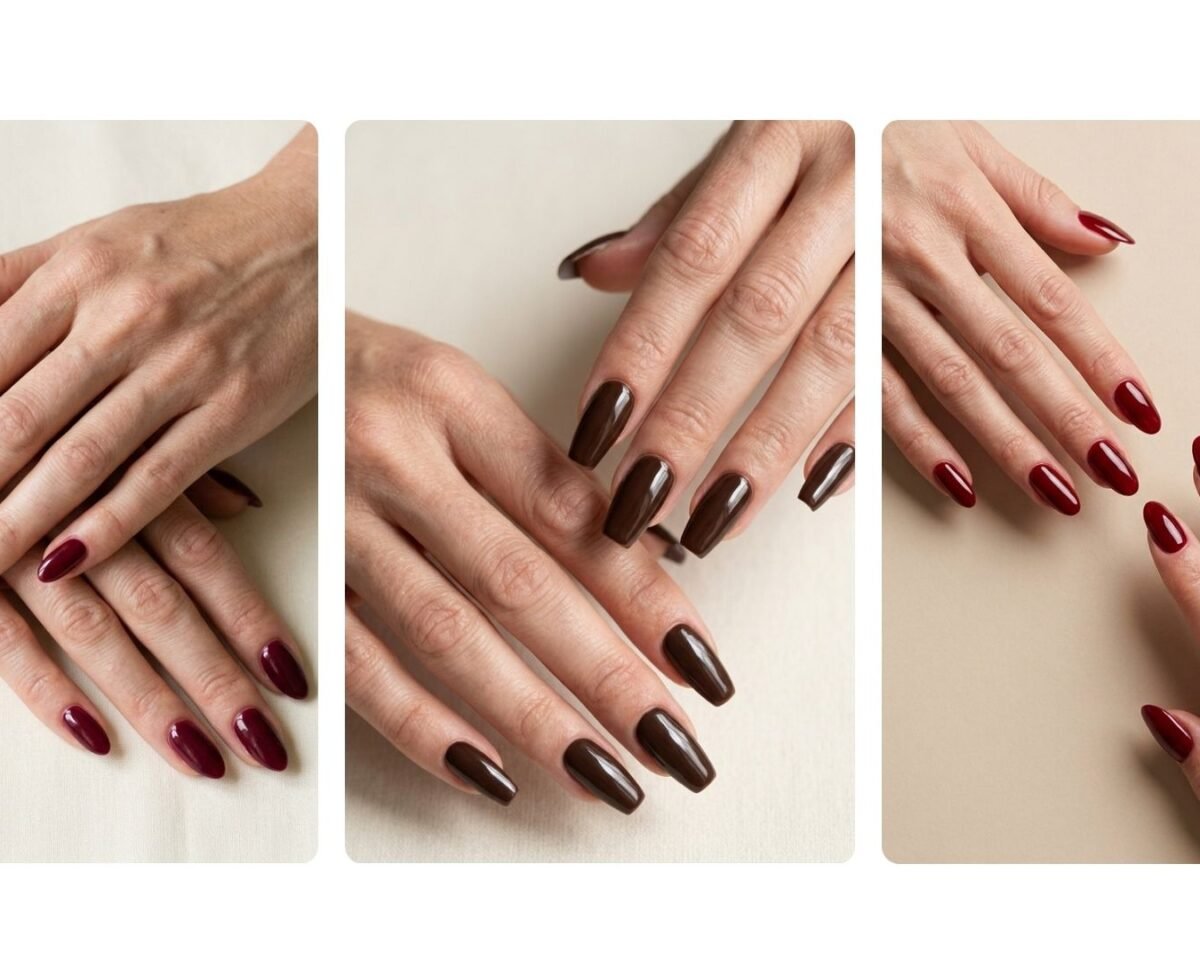
Longer nails can instantly change the look of a manicure, but choosing between the types of nail extensions isn’t always simple. Acrylic, Gel-X, Polygel, builder gel, and other systems can create similar-looking results even though their materials, application methods, maintenance, and removal processes are very different.
Understanding the types of nail extensions helps you choose based on more than appearance. Some methods are ideal for dramatic length and strong structure, while others feel lighter and create a more natural finish. Your lifestyle, natural nails, preferred shape, and willingness to keep up with salon maintenance should all influence your decision.
The good news is that there isn’t one extension method that everyone needs to choose. Once you know how the most popular systems work, finding an option that matches your nail goals becomes much easier.
What Are Nail Extensions?
Nail extensions are enhancements that add length beyond the natural free edge of your nail. A nail technician can create that length by attaching a premade tip or sculpting an enhancement product over a nail form.
The materials vary between the different types of nail extensions. Traditional acrylic uses liquid monomer and polymer powder, while gel-based systems usually cure beneath an LED or UV lamp. Some modern methods use full-cover soft gel tips that already have their shape and length.
Nail extensions are also different from overlays. An overlay reinforces the existing natural nail without necessarily adding length, while an extension creates additional length. Products such as acrylic, hard gel, builder gel, and Polygel may sometimes be used for either purpose depending on the technique.
10 Types of Nail Extensions and How They Compare
Here are the 10 main options worth understanding before choosing your next manicure.
1. Acrylic Nail Extensions
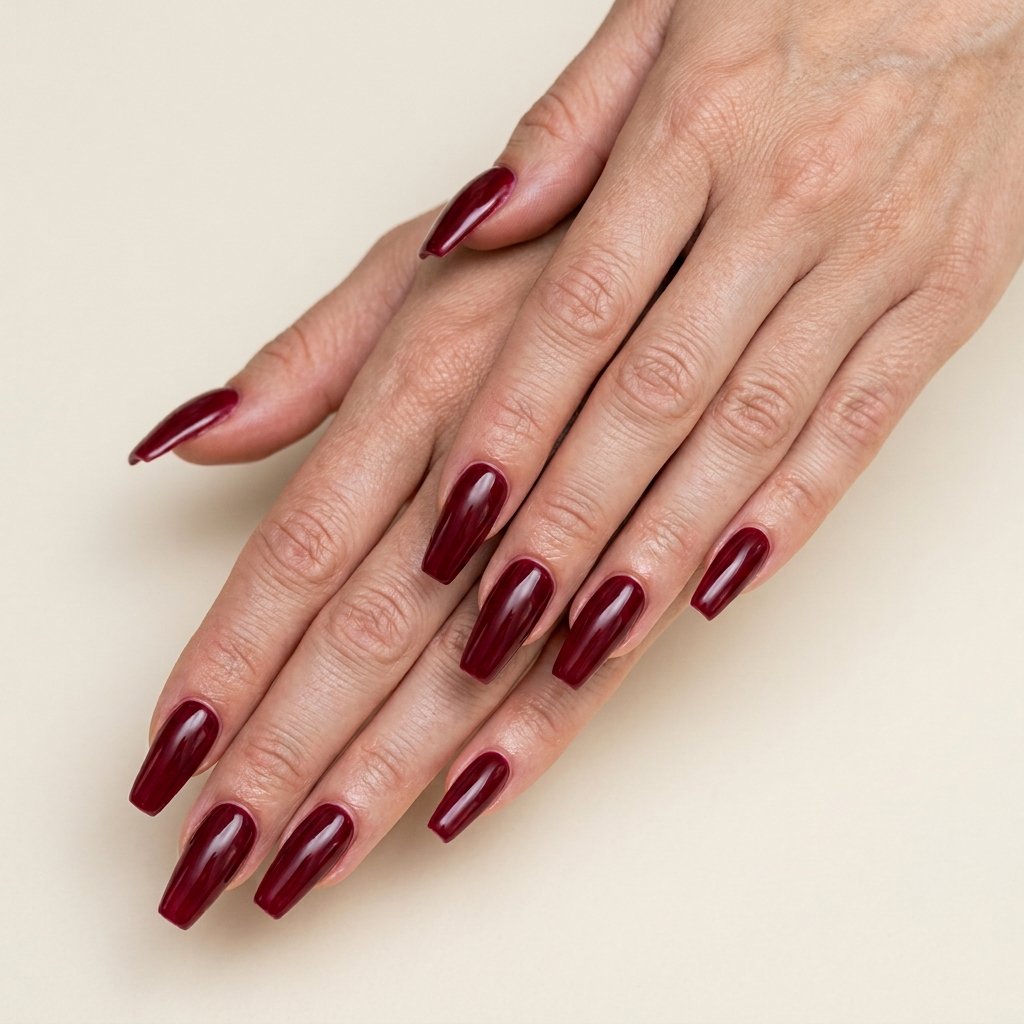
Acrylic remains one of the most widely recognized extension systems. It is created by combining liquid monomer with polymer powder to form a workable bead that can be shaped over the nail.
The technician may attach a traditional tip first or use a nail form to sculpt additional length directly. Acrylic then hardens without needing an LED or UV lamp.
Its strength and versatility make acrylic especially useful for longer extensions and dramatic shapes such as coffin, square, almond, ballerina, and stiletto.
Style Insight
Acrylic works beautifully when you want noticeable length and sharply defined structure. It also provides a strong base for French tips, chrome, rhinestones, 3D nail art, and detailed designs.
Who It Suits
It suits people who enjoy long manicures, bold nail shapes, or strong enhancements that can support creative nail art.
When to Wear
Choose acrylic for everyday salon sets, vacations, weddings, celebrations, or whenever you want a more dramatic manicure.
What to Keep in Mind
Acrylic requires maintenance as your natural nails grow. Fills help rebalance the enhancement and cover new growth. Never peel acrylic from your nails because aggressive removal can damage the nail plate.
If you already understand professional application techniques, a quality acrylic powder is one of the key products used to create this type of enhancement.
2. Gel Nail Extensions
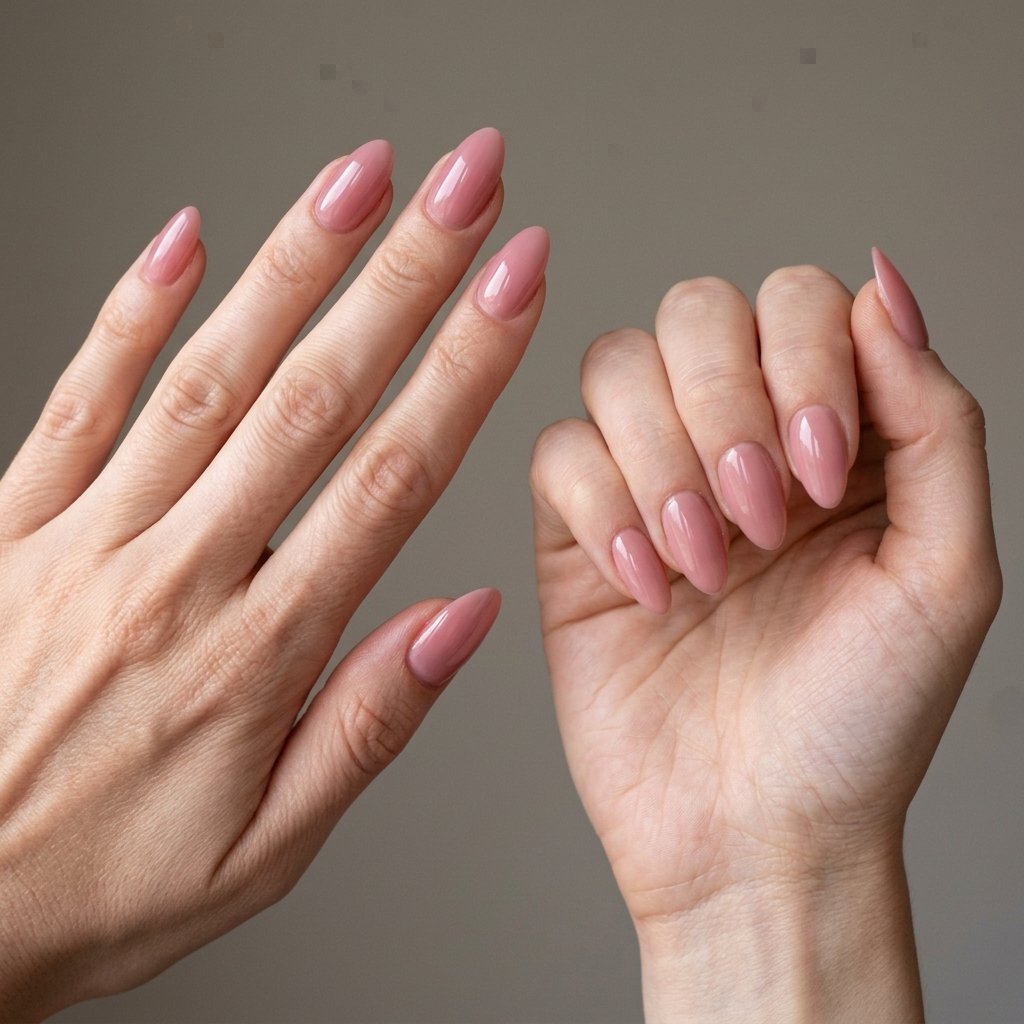
Gel is another major option among the types of nail extensions, but the word “gel” can refer to several different enhancement products.
Traditional structural gel can be sculpted over a nail form or applied with suitable tips to create length. Unlike acrylic, the gel remains workable until it is cured beneath a compatible LED or UV lamp.
Gel extensions are known for their smooth surface and glossy finish. Depending on the formula, they may also feel slightly more flexible than traditional acrylic.
Style Insight
Gel is ideal for sleek manicures such as nude almond nails, milky pink designs, French tips, glazed finishes, and elegant minimalist looks.
Who It Suits
Gel can work well for someone who wants a structured extension but prefers a glossy, refined gel finish.
When to Wear
They are versatile enough for work, everyday manicures, weddings, holidays, and special events.
What to Keep in Mind
Not every gel product removes the same way. Some soft gel systems can be soaked off, while hard gel usually requires careful filing.
Curing also matters. A compatible LED/UV nail lamp should be used according to the specific gel manufacturer’s instructions rather than assuming one lamp is suitable for every product.
3. Gel-X Extensions
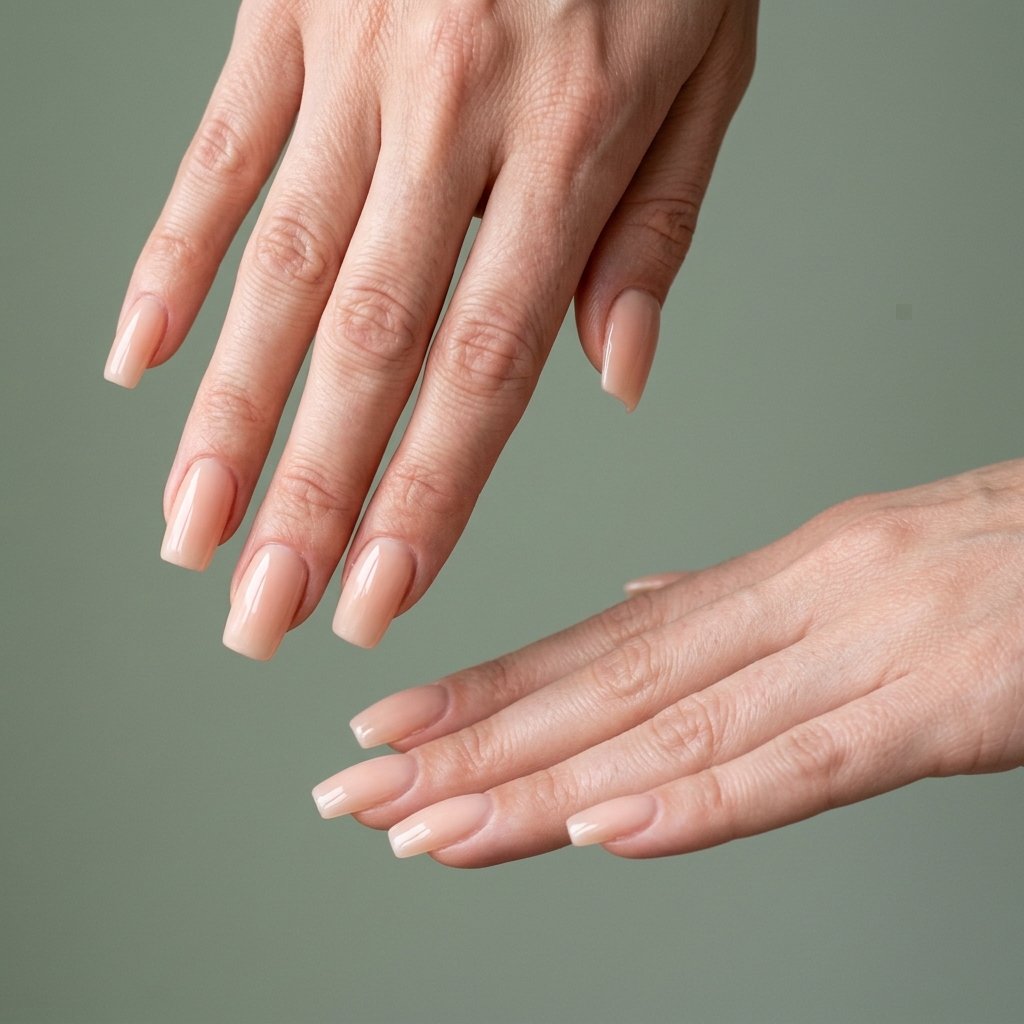
Gel-X changed the extension process by using premade full-cover soft gel tips rather than manually building all of the additional length.
The tip covers almost the entire natural nail and is secured using a compatible gel adhesive before being cured under a nail lamp.
Because Gel-X tips already come shaped, they can create a very consistent manicure. Almond, coffin, square, round, and stiletto options are commonly available in several lengths.
This makes Gel-X one of the most recognizable modern types of nail extensions for people who want ready-shaped length without the traditional acrylic approach.
Style Insight
Gel-X works especially well for clean, trend-focused manicures. Short almond tips can look soft and natural, while longer coffin or stiletto extensions work beautifully with chrome, aura designs, crystals, or bold nail art.
Who It Suits
It can suit people who prefer lightweight full-cover tips, consistent shapes, and plenty of options for changing their nail style.
When to Wear
Gel-X works for everyday manicures, vacations, parties, bridal nails, seasonal designs, and trend-driven nail looks.
What to Keep in Mind
Correct sizing is essential. The tip should properly fit the natural nail from sidewall to sidewall rather than being forced into position.
For those already familiar with the system, correctly sized full-cover soft gel tips can help achieve a cleaner and more consistent finished shape.
4. Polygel Nail Extensions
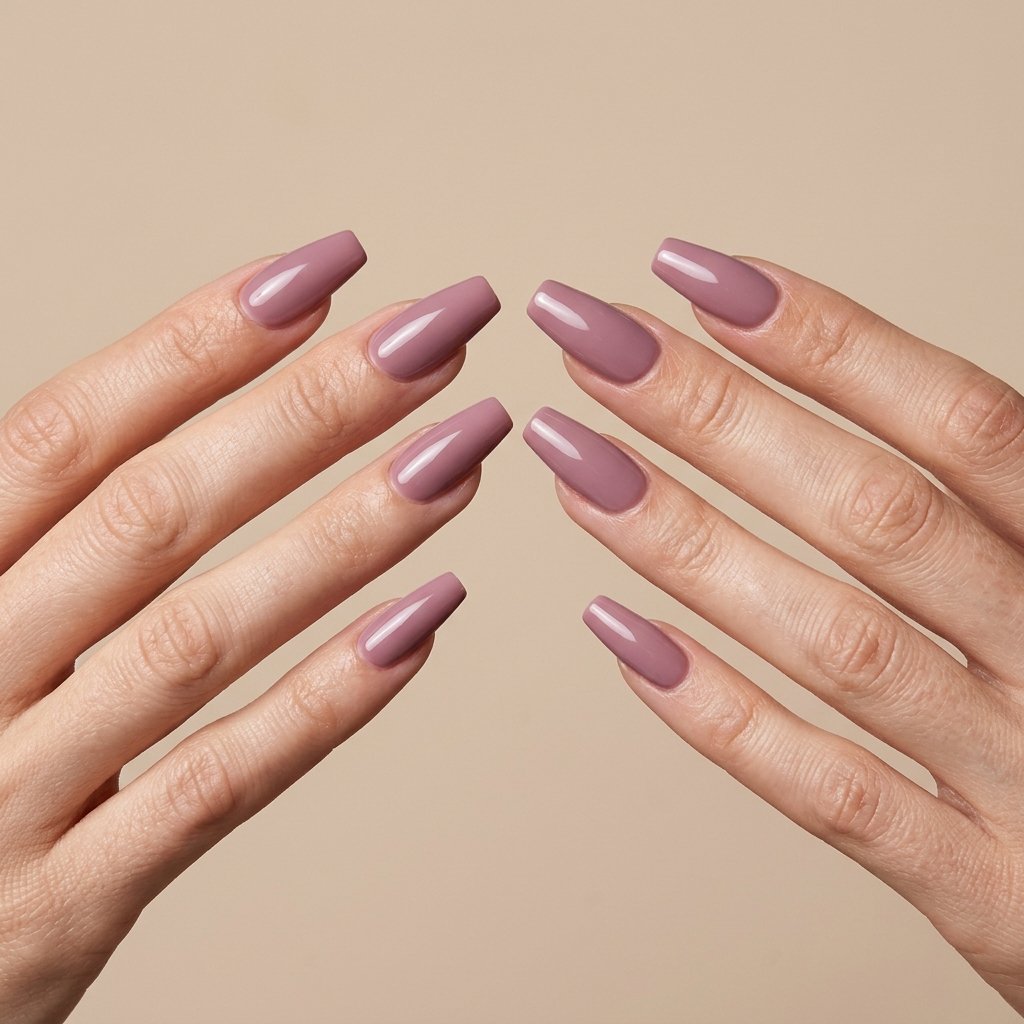
Polygel is a thick, putty-like enhancement product that combines characteristics commonly associated with acrylic and gel.
Unlike acrylic, Polygel doesn’t immediately begin hardening while it is being shaped. The technician can control the product before curing it under a compatible lamp.
Polygel may be sculpted using nail forms or used with dual forms depending on the system and preferred technique.
Its workable consistency makes it a flexible choice when comparing types of nail extensions, particularly for customized lengths and shapes.
Style Insight
Polygel works well for smooth almond, coffin, square, or oval extensions. It can create a structured manicure without needing an excessively bulky appearance.
Who It Suits
It may suit people who want customizable extensions and like the control of a product that remains workable until cured.
When to Wear
Polygel can work for everyday sets, weddings, vacations, parties, and medium-to-long manicures.
What to Keep in Mind
Creating balanced extensions still requires skill. The apex, stress area, sidewalls, and thickness all need to be properly controlled.
When this application technique is being used, suitable dual nail forms can help create a consistent upper shape when paired with the correct Polygel product.
5. Hard Gel Nail Extensions
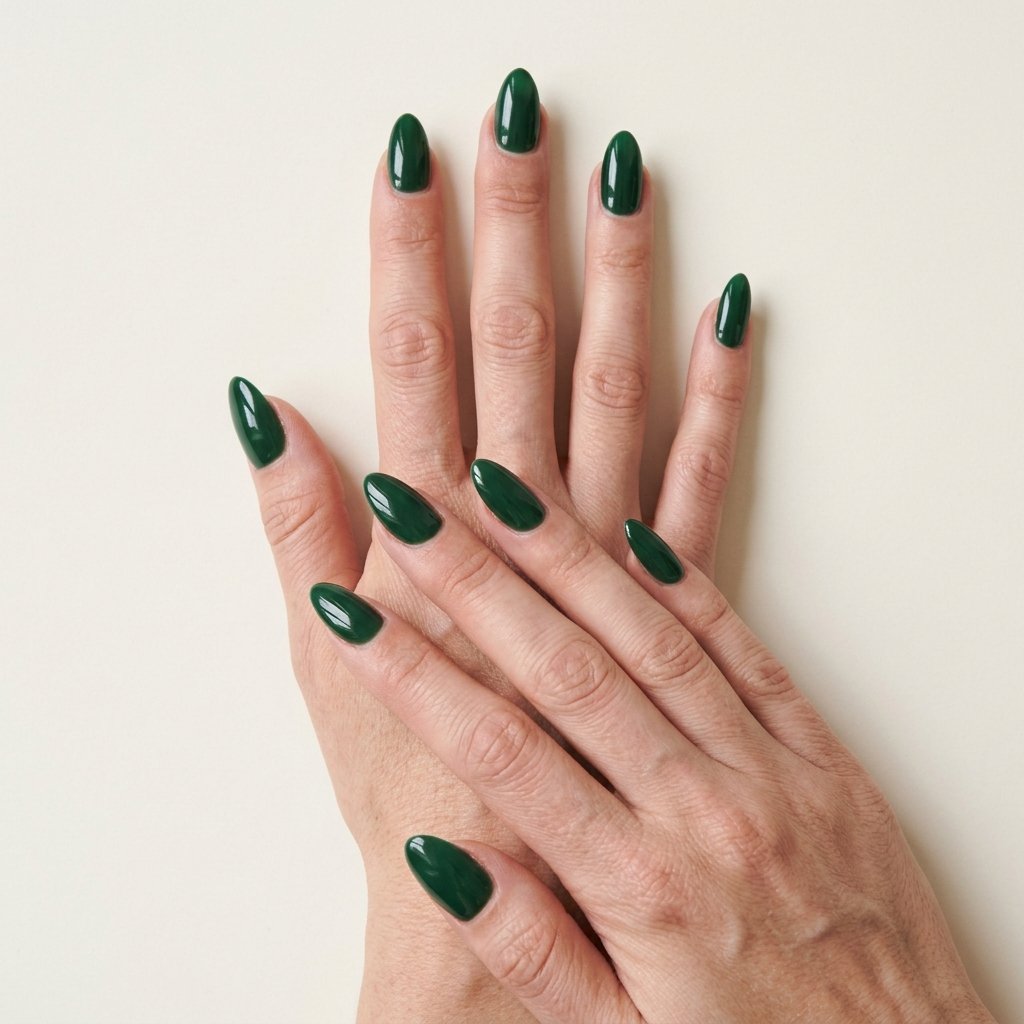
Hard gel is a strong structural gel that can be used to reinforce natural nails or create additional length.
For extensions, a technician typically positions a nail form underneath the natural free edge and builds the gel outward. The product is then cured under a compatible lamp before being filed into its final shape.
Hard gel offers the smooth finish associated with gel while providing enough structure for customized extensions.
Unlike many soft gel products, however, hard gel normally does not completely soak away in acetone. It generally needs to be carefully filed down.
Style Insight
Hard gel is particularly beautiful for refined almond, oval, squoval, and tapered-square extensions. Sheer pink and nude shades can look natural, while longer extensions can support French designs, chrome, and detailed nail art.
Who It Suits
Hard gel may appeal to someone who wants strong, sculpted extensions while staying within a gel-based system.
When to Wear
It works well for everyday manicures, professional settings, weddings, formal events, and longer-term salon maintenance.
What to Keep in Mind
As the natural nail grows, the enhancement may need to be rebalanced so its structure remains correctly positioned.
Removal also requires care because aggressive filing can thin the natural nail.
A professional-quality hard gel builder can provide the structure needed for extensions when it is applied and cured according to the manufacturer’s instructions.
6. Builder Gel and BIAB Extensions
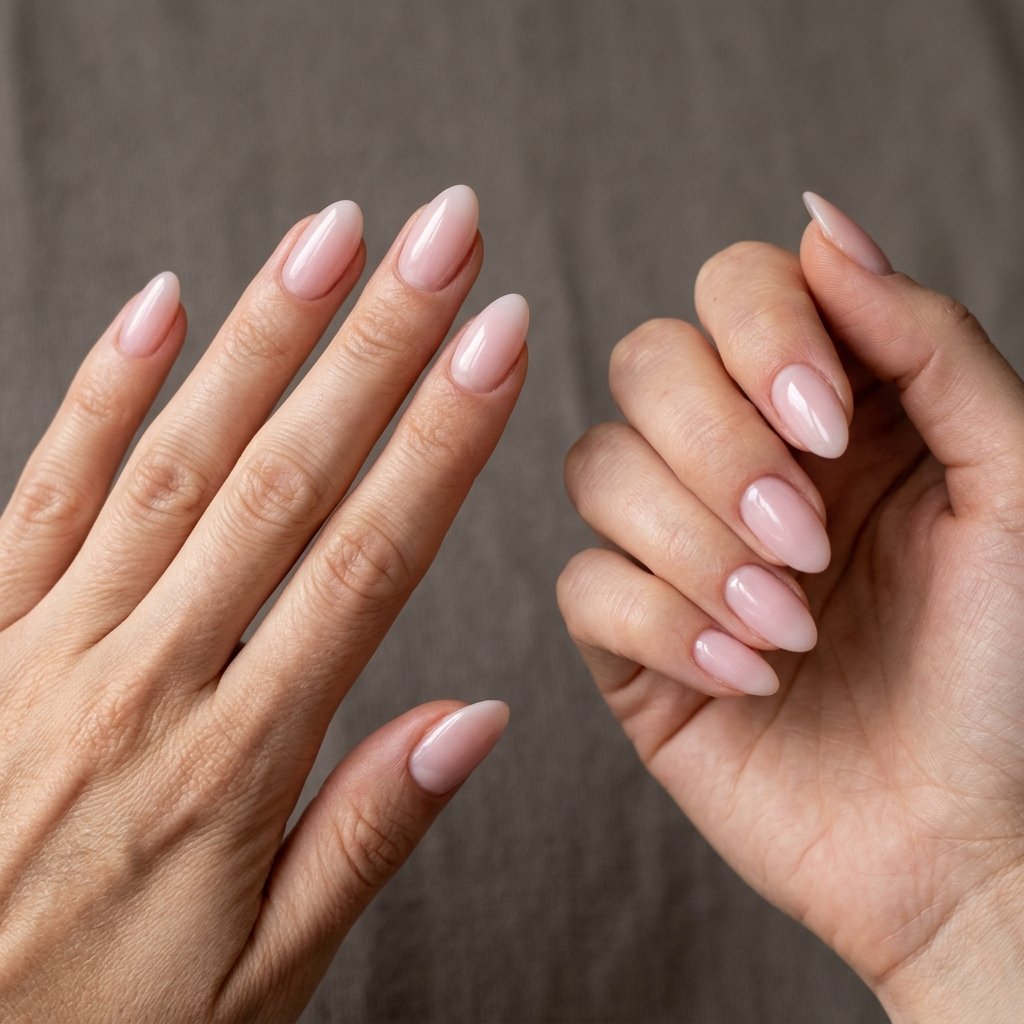
Builder gel is a thicker gel designed to add strength and structure to the natural nail. BIAB, or Builder in a Bottle, is one popular type of builder product, although formulas vary between brands.
Builder gel is commonly used as an overlay, but certain formulas can also create short extensions using forms or compatible tips. Compared with more dramatic types of nail extensions, it is often chosen for a natural-looking result rather than extreme length.
Style Insight
Builder gel looks especially elegant in sheer pink, nude, milky, or neutral shades. Short almond, oval, and squoval shapes complement its clean appearance.
Who It Suits
It suits people who prefer shorter, natural-looking nails with additional structure or want support while growing their natural nails.
When to Wear
Ideal for everyday manicures, work, weddings, minimalist looks, and anyone who prefers understated nails.
What to Keep in Mind
Not every builder gel is designed for creating significant length. Check the intended use and curing requirements of the specific product being applied.
7. Fiberglass Nail Extensions
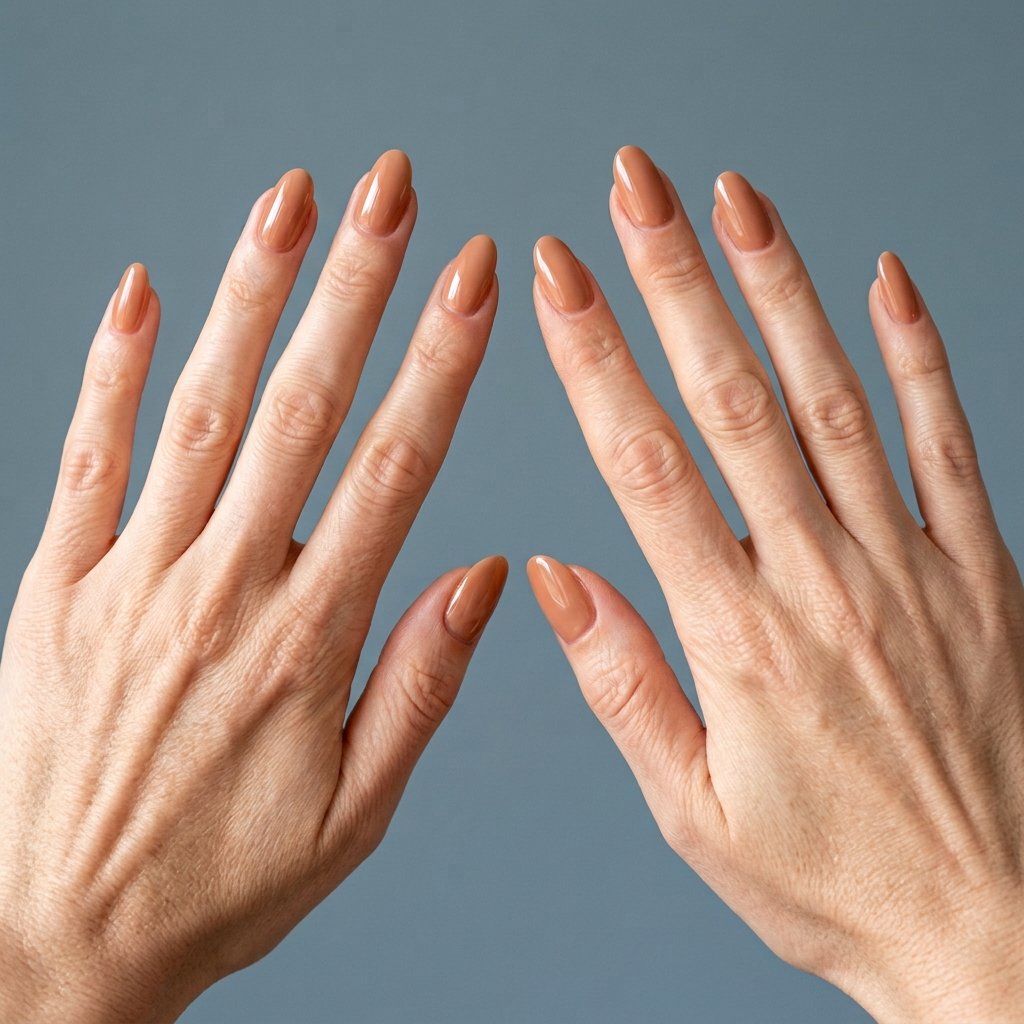
Fiberglass extensions use thin strands or pieces of fiberglass material to reinforce or extend the natural nail.
The fibers are positioned over the nail and combined with a suitable resin, adhesive, or gel system. Once sealed and refined, they become far less visible and can create a relatively lightweight enhancement.
Fiberglass is particularly interesting for anyone who wants additional length without an overly thick appearance.
Style Insight
Fiberglass works beautifully with short-to-medium almond, oval, or soft-square nails. Nude shades, sheer pinks, and classic French manicures complement the lightweight finish.
Who It Suits
It may suit people who want subtle reinforcement and natural-looking additional length rather than extremely dramatic extensions.
When to Wear
Choose fiberglass for everyday nails, professional environments, weddings, or understated special-event manicures.
What to Keep in Mind
Fiberglass is generally better suited to moderate lengths than extremely long, heavily embellished extensions. It may also be harder to find because not every salon offers this technique.
8. Silk Wrap Nail Extensions
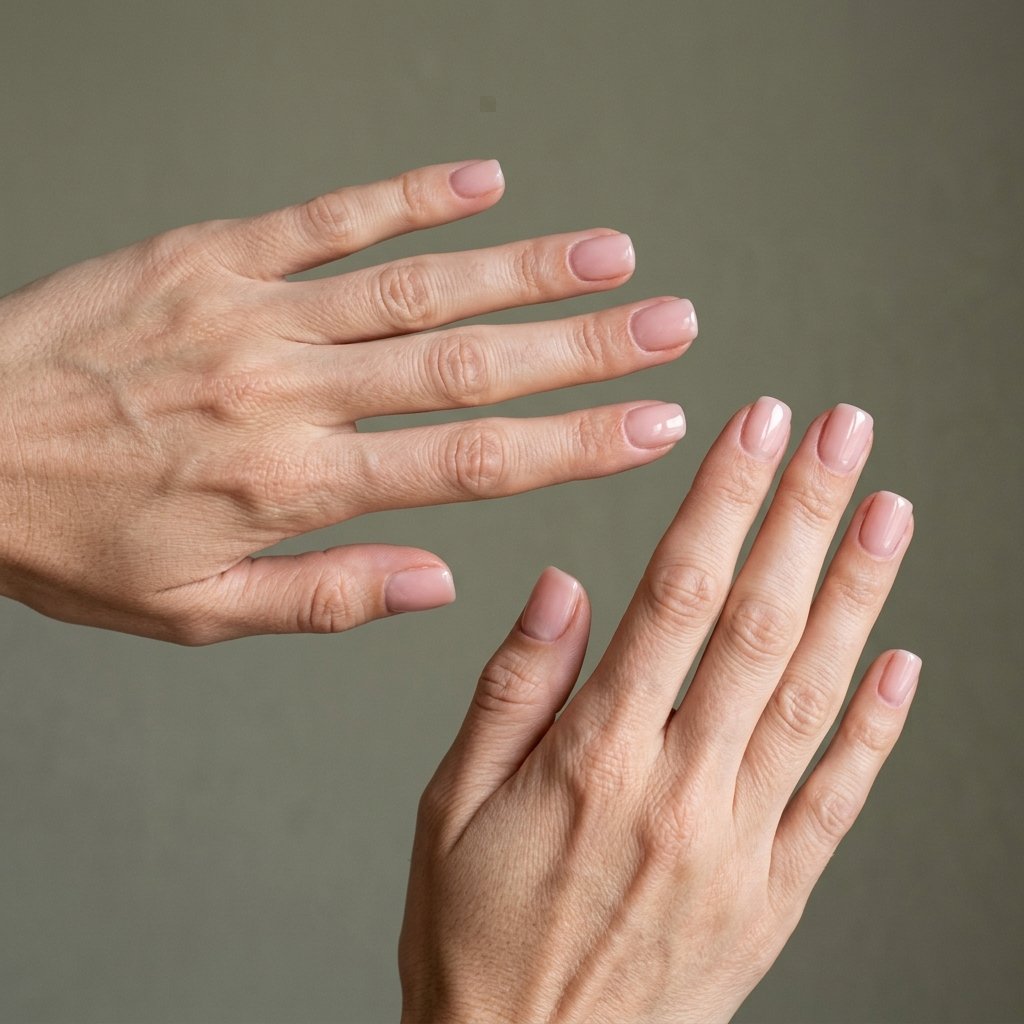
Silk wraps use fine pieces of silk fabric to reinforce the natural nail. The material is placed over the nail and sealed with a compatible bonding product until it becomes part of a smooth enhancement.
Silk is often associated with strengthening or repairing weak and cracked nails, but it can also contribute to creating modest additional length.
Among the more traditional types of nail extensions, silk wraps stand out because their focus is usually thin reinforcement rather than dramatic structure.
Style Insight
Silk wraps look best with refined manicures such as sheer nude, soft pink, milky white, micro French, or simple glossy finishes.
Who It Suits
They can suit people who prefer lightweight, natural-looking nail enhancements or need extra reinforcement.
When to Wear
They are particularly suitable for daily wear, professional environments, weddings, and understated occasions.
What to Keep in Mind
Silk wraps aren’t normally the first choice for extra-long coffin or stiletto nails. Proper sealing and careful removal are also important for maintaining the natural nail underneath.
9. Dip Powder Nail Extensions
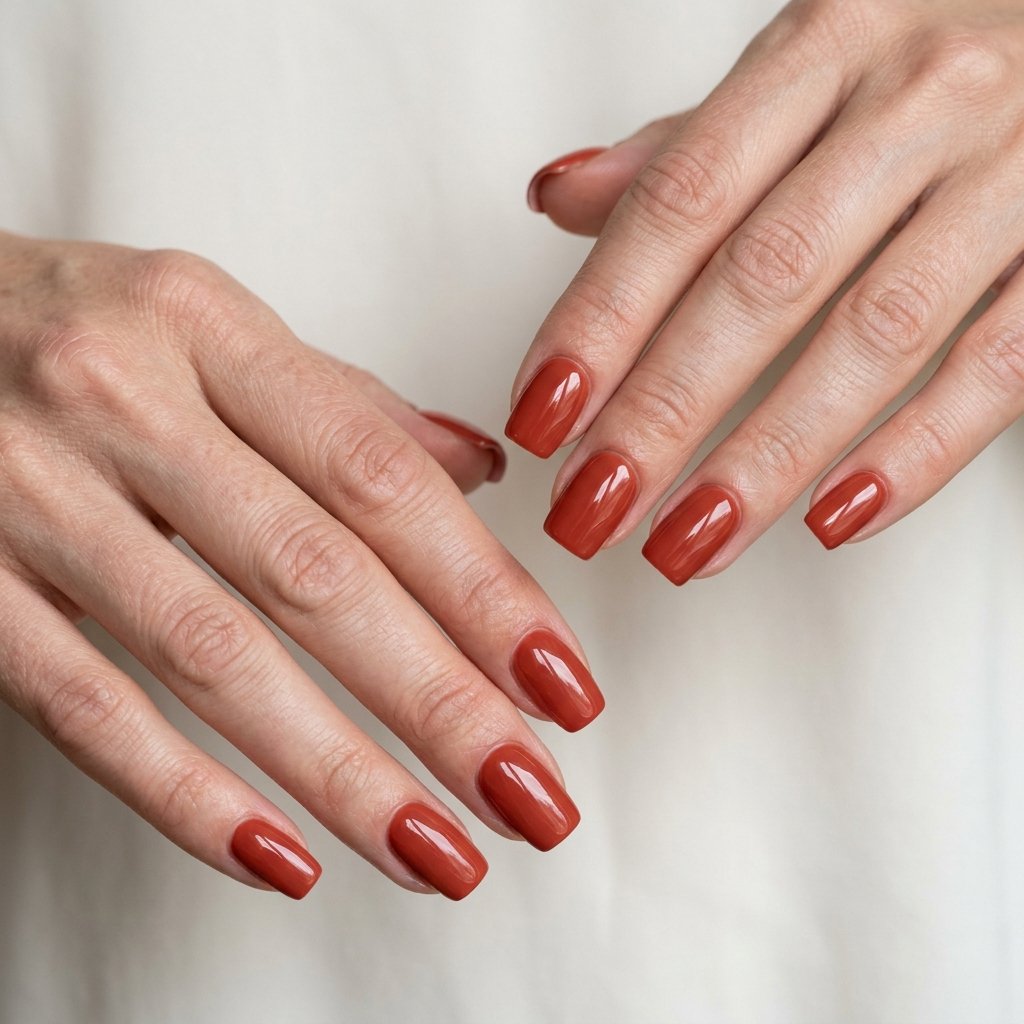
Dip powder manicures use finely milled powder with a bonding and activation system to create a strong coating over the nail.
Dip powder itself is commonly used as an overlay rather than an extension. However, a traditional nail tip can first be attached to create length before the dip system is applied over the natural nail and tip.
Understanding this difference prevents the common misconception that every dip manicure automatically qualifies as a nail extension.
Style Insight
Dip extensions work beautifully with solid colors, ombré, French tips, nude shades, and wearable almond or square shapes.
Who It Suits
They may appeal to people who already enjoy dip powder manicures but want more length than their natural nails provide.
When to Wear
Dip extensions work for everyday manicures, holidays, work, weddings, and vacations.
What to Keep in Mind
Never peel or force dip powder away from the nail. Removal should follow the specific system’s instructions to avoid unnecessarily stripping layers from the natural nail plate.
10. Sculpted Nail Extensions
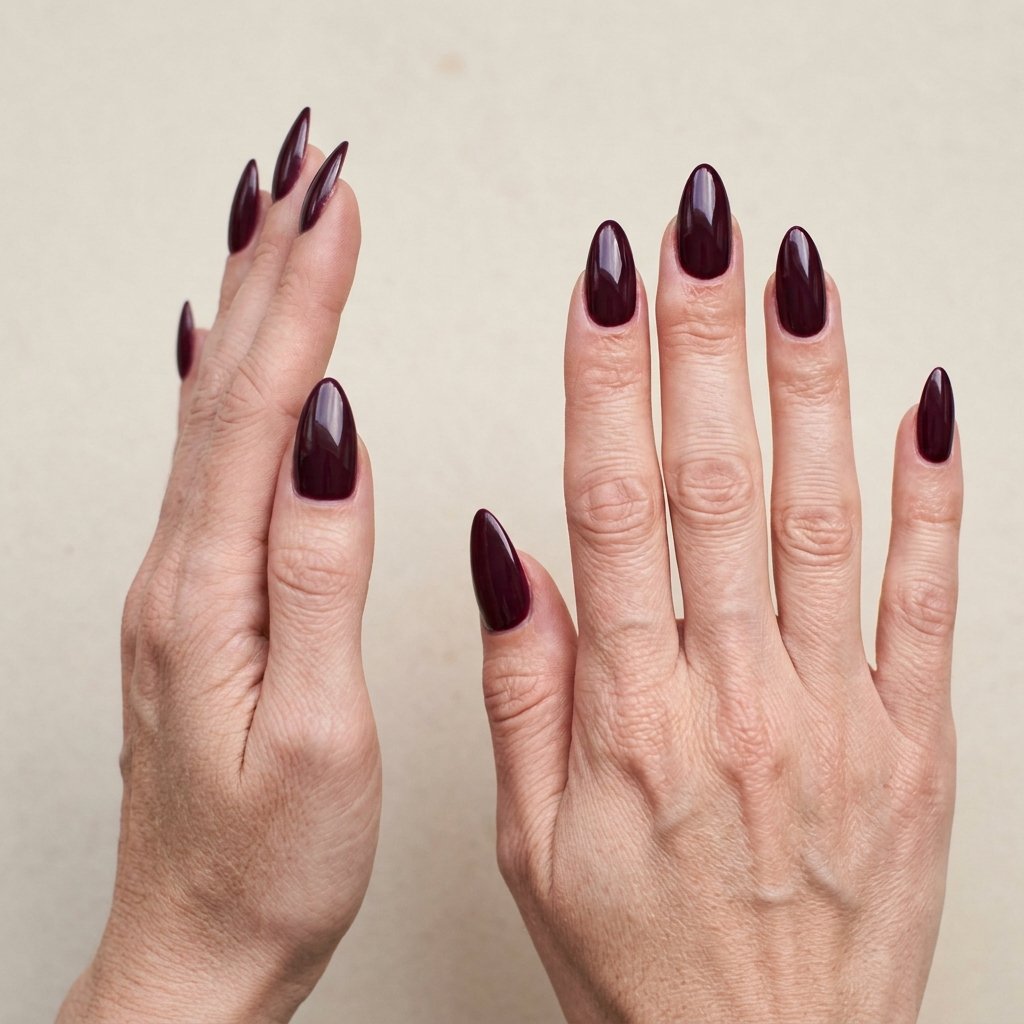
Sculpted extensions differ slightly from the other types of nail extensions because “sculpted” describes an application method rather than one particular material.
A nail form is positioned beneath the natural free edge. Acrylic, hard gel, or another suitable enhancement product is then built over the form to create additional length.
Once the material has hardened or cured, the form is removed and the new extension is refined into its final shape.
Because no premade tip determines the final structure, an experienced nail technician can customize the length and architecture around the client’s natural nails.
Style Insight
Sculpting works beautifully for customized almond, coffin, square, ballerina, and stiletto nails. It also creates a versatile base for French tips, chrome, ombré, crystals, and detailed nail art.
Who It Suits
Sculpted extensions suit people who want highly customized length and shape or whose natural nails don’t fit standard premade tips particularly well.
When to Wear
They can be adapted for everyday manicures, weddings, vacations, special occasions, or dramatic statement sets.
What to Keep in Mind
Good sculpting requires skill. The apex, stress area, sidewalls, and thickness must be balanced so the extension has appropriate structure without looking unnecessarily bulky.
How to Choose the Right Type of Nail Extension
Knowing the types of nail extensions is helpful, but your lifestyle should ultimately guide your decision.
Start with your desired length. Acrylic, hard gel, and sculpted extensions can work well when you want significant length and structure, while builder gel and lightweight systems may be more suitable for shorter, natural-looking results.
Next, think about your daily routine. If you type frequently, play sports, cook often, or work extensively with your hands, extremely long nails may not be practical regardless of the extension material.
Maintenance matters too. Structured enhancements grow forward with your natural nails and may require fills or rebalancing. If frequent appointments don’t suit your schedule, consider that before committing to a particular system.
Finally, ask about removal. Some products are designed to soften with acetone, while others need careful filing. Never assume all gel-based products remove the same way, and avoid peeling or pulling extensions from the natural nail.
Which Nail Extension Type Matches Your Lifestyle?
The best extension isn’t necessarily the newest or strongest option, it is the one that fits how you actually use your hands.
If you love dramatic length and strong structure, acrylic may appeal to you. Gel-X offers ready-shaped full-cover tips, while Polygel gives the technician more time to shape the enhancement before curing.
Hard gel is worth considering for customized gel structure, while builder gel is better suited to people who prefer natural-looking reinforcement and modest length.
Fiberglass and silk wraps offer lighter alternatives, and dip powder can be combined with tips when additional length is wanted. Sculpted extensions provide another option when customized architecture is the priority.
Comparing the types of nail extensions based on appearance, maintenance, length, and removal will give you a much better starting point than choosing from a photo alone.
Frequently Asked Questions
What Is the Healthiest Type of Nail Extension?
There isn’t one system that is automatically healthiest for everyone. Natural nail condition, preparation, application, maintenance, and removal all matter.
Even a high-quality enhancement can cause unnecessary damage if it is aggressively filed, peeled, or pulled off. Careful professional application and removal are more important than simply choosing a particular product name.
Which Nail Extensions Last the Longest?
Acrylic and hard gel are commonly associated with strong, durable enhancements, but actual wear depends on preparation, nail growth, lifestyle, extension length, application quality, and maintenance.
A well-maintained shorter extension may also perform better for an active person than an excessively long set.
What Is the Difference Between Gel-X and Acrylic Extensions?
Acrylic combines liquid monomer and polymer powder and can be sculpted over forms or applied over traditional tips.
Gel-X uses premade full-cover soft gel tips attached with a compatible gel system and cured beneath an appropriate lamp.
Both add length, but their materials and application methods are significantly different.
Which Nail Extensions Look the Most Natural?
Several types of nail extensions can create a natural appearance, including builder gel, Gel-X, Polygel, fiberglass, and carefully sculpted gel.
Length, thickness, shape, and color often influence the final appearance as much as the extension material itself. Short almond, oval, round, or squoval nails in sheer nude and pink shades generally look particularly natural.
What Are the Best Nail Extensions for Beginners?
If you’re receiving extensions for the first time, shorter professionally applied enhancements can make adjusting to additional length easier.
DIY acrylic, hard gel, and Polygel require knowledge of preparation, product placement, structure, curing, filing, and safe removal. Beginners interested in these systems should learn proper techniques rather than relying only on short social-media demonstrations.
Ready to Find Your Perfect Nail Extension?
Choosing between the types of nail extensions becomes much easier once you understand what each system is designed to do.
Acrylic provides customizable strength, gel creates a smooth structured finish, Gel-X offers ready-shaped full-cover tips, and Polygel provides controlled sculpting before curing. Hard gel, builder gel, fiberglass, silk wraps, dip powder, and sculpted techniques each offer their own balance of structure, appearance, and maintenance.
Instead of choosing only because a manicure looks beautiful online, consider your desired length, natural nails, everyday routine, maintenance commitment, and eventual removal.
Save the options that fit your style, compare them before your next appointment, and show your favorites to your nail technician to find an extension method that works beautifully with your hands and lifestyle.

Hi, I’m Amber, the creator behind Dazzle Me Nails. I started this site because I’ve always believed nails aren’t just about beauty, they’re about confidence, self expression, and feeling put together in the simplest way. Like many of you, I’ve struggled with weak nails, chipped polish, and designs that looked good online but didn’t work in real life. That’s why I created Dazzle Me Nails to share nail ideas that are practical, wearable, and easy to recreate.
Here, you’ll find minimalist nail designs, trend inspired looks, and simple nail care tips to help you achieve clean, polished nails without over complicating your routine. If you love soft, classy, and effortless nail styles, you’re in the right place.